
Why Choosing the Right Perfume Bottle Matters
Choosing the right glass perfume bottle isn’t just about looks—it’s a make-or-break decision for your brand, bottom line, and customer experience. As a brand or startup in the perfume industry, your glass perfume bottle impacts how consumers perceive your product, how much you spend on shipping, and whether your products arrive safely.
A well-made bottle improves the overall perfume packaging experience, while a poor choice can lead to problems you don’t want to deal with: leaks, high breakage rates, unexpected rework, or delays in production and shipping. Many new fragrance brands run into these issues simply because they don’t understand how bottle materials, neck sizes, pumps, or decoration really work.
The good news? You don’t have to learn the hard way. Follow these 7 simple rules to avoid expensive missteps in glass perfume bottle bulk sourcing, keep costs in check, and secure a reliable supply chain for your brand.
Rule 1 – Start With the Right Glass Material
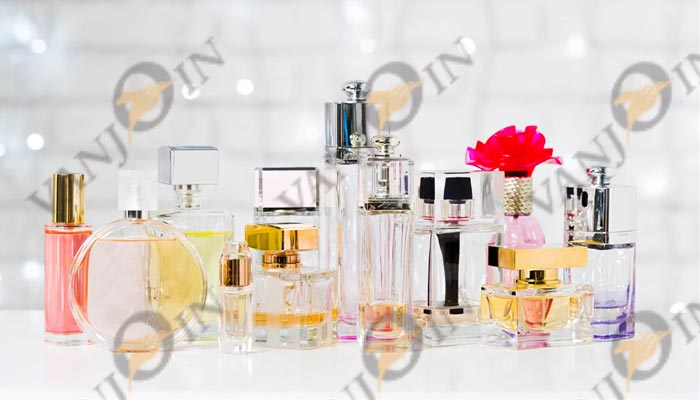
Not all glass is suitable for perfume, and choosing the wrong material can cost you more than you expect. Different types of glass—such as high-white glass, crystal-white glass, or strengthened glass—offer very different levels of clarity, weight, and durability. If the bottle wall is too thin, your perfume may look cheap, and the risk of breakage during filling, packing, or shipping becomes much higher.
You also need to think about chemical stability. Some low-grade glass can react with alcohol or essential oils, causing discoloration, cloudiness, or changes in the fragrance over time. This is the last thing you want your customers to see.
Choosing a stable, high-quality glass perfume bottle material helps protect your formula, improves the premium feel of your packaging, and reduces hidden costs from defects or returns.
Rule 2 – Validate Neck Size, Pump Fit & Sealing System Before Mass Production
Most perfume packaging failures come from one simple issue: leakage. Even a small neck-size deviation—sometimes as little as ±0.2 mm—can stop the pump from sealing correctly. When that happens, you risk leaks during filling, storage, transport, or even when customers carry the bottle in their bags.
Before you move into mass production, always test how well the neck, pump, and sealing system work together. A perfect-looking glass perfume bottle means nothing if the closure isn’t secure. Proper testing helps you catch problems early, avoid returns, and protect your formula.
To keep things simple, here’s a basic 3-step sealing test checklist you should always follow:
* Torque test: Tighten the pump to the standard force (usually 3-5 N·m) and check for gaps or loose fittings.
* Drop test: Simulate shipping impacts by dropping a sample bottle (filled with your fragrance) from 1.2 meters onto a hard surface—no leaks mean it’s ready for bulk transit.
* Side-standing leakage test: Lay sealed bottles on their sides for 24 hours; if there’s no seepage, the sealing system works for long-term storage.
Running these tests gives you confidence that your bottle and pump are a good match and that your perfume will stay exactly where it should—inside the bottle.
Rule 3 – Match Bottle Shape With Your Brand Positioning
The shape of your perfume bottle says a lot about your brand before anyone even smells the fragrance. Heavy bottles often feel premium and luxurious, slim bottles give a light and airy impression, and clean, simple shapes work well for minimalist or modern brands. The right shape helps customers understand your message instantly.
But don’t focus only on looks. You also need to consider how the bottle feels in the hand, how the sprayer performs at different angles, and whether the shape fits smoothly into your packaging box. A beautiful design that’s uncomfortable to hold or hard to pack will create problems later.
There’s also a practical side many new brands overlook: different bottle shapes behave differently on the filling line. Square bottles may need extra alignment, while round bottles usually run faster and more smoothly during production. Matching your bottle shape not only to your branding but also to your manufacturing process will save you time, money, and headaches.
Rule 4 – Don’t Ignore Size Compatibility When Customizing in Bulk
When you’re customizing a glass perfume bottle for your brand, choosing the right capacity is just as important as choosing the right design. Many B2B buyers overlook this step and later find that their size selection doesn’t match their sales channels, pricing strategy, or target customers. This leads to slow-moving inventory or the need to reorder different sizes, which increases cost and delays your launch.
As a buyer, you need to balance versatility with bulk production efficiency. The 10ml travel size is a must for on-the-go shoppers, gift sets, or trial offerings—perfect for budget-conscious customers or brands looking to expand their reach. The 50ml regular size is the sweet spot for most consumers: it’s portable enough for daily use and offers good value, making it the core of your glass perfume bottle bulk order. For premium or luxury brands, the 100ml gift set size adds perceived value, ideal for holiday promotions or high-end retail shelves.
A smart custom ratio (e.g., 30% 10ml, 50% 50ml, 20% 100ml) ensures you cover all sales touchpoints without overstocking. It also streamlines bulk production—suppliers can optimize molds and costs when you order multiple compatible sizes. Before finalizing your glass perfume bottle bulk supply, analyze your customer data: Do your buyers prefer travel-friendly options? Is your brand positioned as a luxury gift choice? Tailoring volumes to these needs boosts sales, reduces waste, and makes your bulk customization strategy work harder for your business.
By planning your capacity mix around your brand positioning and sales scenarios, you avoid mismatched inventory and ensure each bottle size serves a clear purpose. Smart size selection keeps your production efficient and your product lineup balanced from day one.
Rule 5 – Never Skip the Compatibility Test With Your Formula
Before finalizing any perfume bottle, you must confirm that the packaging can safely coexist with your fragrance formula. Alcohol, essential oils, and colorants in perfumes can gradually penetrate decorative coatings or react with metal components such as pumps, collars, or anodized parts. This is why a full compatibility assessment is non-negotiable for any brand that wants to avoid leaking, discoloration, fading logos, or rust-like stains over time.
At minimum, every new bottle + formula combination should undergo alcohol-resistance testing, abrasion-resistance testing, and chemical-corrosion testing to ensure that coatings, plating layers, printing, and metal parts remain stable throughout the product’s shelf life. These tests simulate real-world conditions such as shaking during transport, long-term storage, high-temperature exposure, and repeated handling.
For high-strength or oil-heavy fragrances, it’s often necessary to run extended aging tests to confirm that no slow-occurring chemical reactions will appear after the product reaches the market
Rule 6 – Evaluate Decoration Techniques Based on Cost and Durability
When choosing how to decorate your perfume bottle, it’s important to compare the strengths and limitations of common techniques such as color spraying, hot stamping, electroplating, silk-screen printing, and labeling. Each method impacts cost, production time, adhesion strength, and long-term color stability. For instance, high-temperature spraying generally delivers a much stronger bond and lower paint-peeling rates compared with cold spraying, which is more cost-friendly but less durable for alcohol-heavy formulations.
Decoration choices also influence your delivery schedule: electroplating and multi-layer spraying require longer curing periods, while silk-screen printing and labeling are faster but offer fewer special-effect options. Understanding these differences helps prevent issues like fading logos, uneven coatings, or unexpected wear after months of use.
Avoid committing to highly complex decorative combinations at the start of production. These often require higher MOQs, involve tighter quality-control tolerances, and can significantly increase the chance of rework or delays—especially for first-time fragrance launches.
Rule 7 – Consider Logistics, Packaging & Breakage Rate Early
For fragrance brands, one of the most underestimated cost centers is logistics. Many teams focus heavily on bottle aesthetics but completely overlook whether the chosen bottle, wall thickness, and packaging structure can survive bulk transportation. Yet in reality, breakage costs in international shipments often exceed the value of the bottles themselves.
Different bottle shapes, wall-thickness standards, and packing methods (insert trays, individual cartons, EPE cushioning, etc.) can result in dramatically different breakage rates. Slim, tall bottles tend to require stronger inserts; heavy-bottom bottles need reinforced edge protection; electroplated caps may deform if the inner cartons aren’t tightly fitted. Shipping method also matters: sea freight demands higher compression resistance due to longer stacking periods and humidity exposure, while air freight prioritizes shock absorption for more frequent handling.
Brands buyers should review drop-test reports, packaging compression data, and cushioning optimization plans before placing mass-production orders. Doing this early helps avoid last-minute redesigns and ensures packaging can protect the product through every stage—from factory palletizing to overseas delivery.
A Simple Checklist Before Approving Your Final Bottle
| Checklist Item | What You Need to Confirm |
| Material | Ensure the glass type offers clarity stability and resistance to alcohol and essential oils |
| Wall thickness | Check for consistent thickness to maintain a premium appearance and reduce breakage risk |
| Neck size | Verify the neck dimensions are within tolerance for proper pump compatibility |
| Pump sealing | Test torque side leakage and pressure performance to confirm a secure leak free seal |
| Atomization performance | Make sure the spray is fine even and aligned with your desired user experience |
| Decoration durability | Confirm coatings printing foils or plating can withstand alcohol abrasion and long term use |
| Packaging method | Review inserts cartons and protective materials to ensure safe bulk transportation |
| Transport simulation | Perform simulated shipping tests to validate breakage resistance and overall packaging strength |
Conclusion
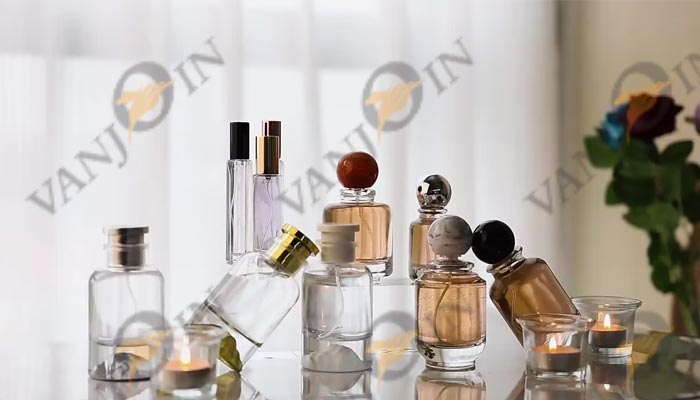
Choosing the right perfume bottle is not only about aesthetics—it is a core part of your product quality, brand positioning, and long-term cost efficiency. When you follow clear rules around material selection neck accuracy compatibility testing bottle shape decoration logistics and packaging you dramatically reduce the risk of leakage breakage delays and unexpected expenses. By applying these seven rules you are better equipped to create a bottle that looks premium performs reliably and supports your brand growth from sampling to mass production. If you ever need guidance on glass selection custom molds decoration or packaging optimization a professional supplier can help you avoid costly mistakes early in the process.
If you need support with glass material selection, custom molds, decoration options, or packaging optimization, Vanjoin is an experienced glass packaging manufacturer ready to help you build reliable, premium-looking perfume bottles. Feel free to reach out to our team anytime.
FAQ
What is the best shape for perfume
There is no single “best” shape, but different shapes create different impressions. Heavy square bottles feel luxurious and stable, round bottles feel classic and balanced, and tall slim bottles feel light and modern. The ideal shape depends on your brand identity and target customers.
How do I stop perfume bottles from leaking
The most effective way is to verify neck size tolerance conduct pump sealing tests and perform side leak torque and pressure tests before mass production.
Does bottle shape really affect my perfume brand
Yes shape influences how consumers perceive quality weight and identity. It also affects ergonomics spray angle and even filling line efficiency.
What size perfume bottles sell the best
Most brands use 10 ml for travel 50 ml for everyday use and 100 ml for premium gift sets but the ideal ratio depends on your market and positioning.
What is the 3 1 1 rule for perfume
The 3-1-1 rule refers to airport security guidelines. Passengers can carry liquids in containers of no more than 100 ml, placed inside one clear plastic bag, and each passenger may carry one such bag. This affects perfume travel-size packaging choices.
What are the 4 levels of perfume
Perfume concentrations are usually classified into four main levels:
* Parfum (Extrait) – the highest concentration, long lasting
* Eau de Parfum (EDP) – rich and strong, lasts 6–8 hours
* Eau de Toilette (EDT) – lighter, fresh, more everyday friendly
* Eau de Cologne (EDC) – very light, short lasting, often citrus based
Vanjoin © All Rights Reserved.