
Ever stood in front of a perfume shelf, torn between a tiny 30ml bottle and a big 100ml one? You worry the small one will run out too fast, but the large one might go bad before you finish it. Sound familiar?
Deciding on a small or large perfume bottle goes far beyond the size itself — it’s about finding the right balance between your needs, lifestyle, and budget. Here’s something most people don’t realize: the design and material of the bottle, especially high-quality glass, subtly influence how you experience and value your perfume.
Let’s break it down so you can pick the perfect size—whether you’re a daily perfume lover, a travel bug, or just testing a new scent. Plus, we’ll show you why the right glass bottle matters more than you think.
Common Perfume Bottle Sizes and Their Uses
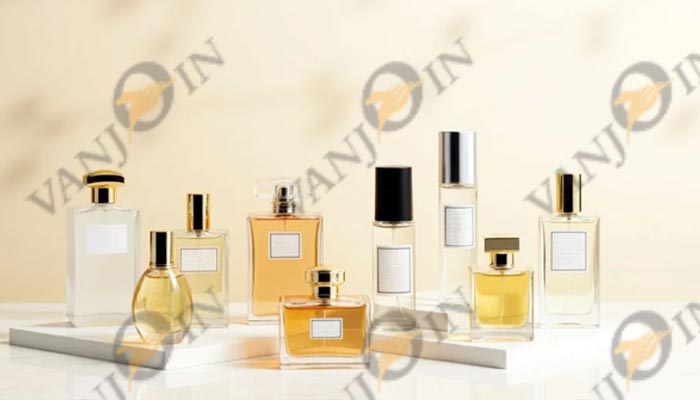
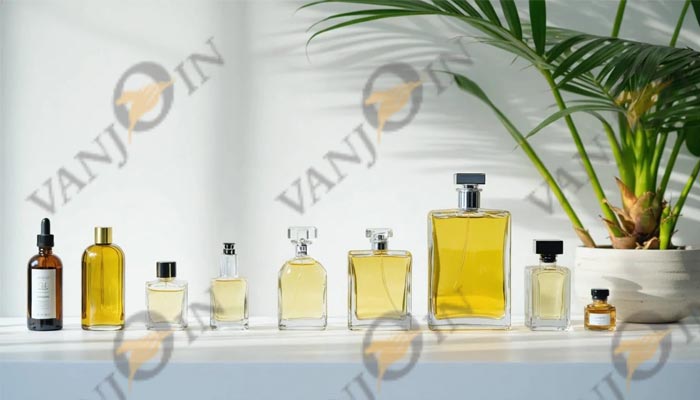
Perfume bottles come in many sizes, and each one serves a different purpose. From pocket-sized testers to luxurious 100ml bottles, every size fits a unique type of user and occasion. Understanding these common perfume bottle sizes can help you decide what works best for your lifestyle — or for your brand’s audience if you’re in the fragrance business.
| Bottle Size | Common Use | Typical Audience | Notes |
| 10–30ml | Travel, sample, tester | On-the-go users | Easy to carry and perfect for trying new scents |
| 50ml | Standard daily use | Most consumers | Offers a good balance between price and volume |
| 100ml+ | Collector or luxury | Loyal customers | Creates a premium image and stronger value perception |
As you can see, each size has its own job. The 10–30ml bottles are a traveler’s best friend—you can slip them into your purse or carry-on without any hassle, and they’re also great when you want to test a new fragrance before committing to a bigger bottle. The 50ml size is the sweet spot for most people: it’s not too big, not too small, and gives you a good balance of price and how long it lasts for daily use. And if you’ve found a perfume you absolutely love, the 100ml+ bottle is worth it—it feels more luxurious, has better value per milliliter, and even becomes a nice collector’s piece on your vanity.
Between Small and Big Perfume Bottles: What Really Matters
When deciding between a small or big perfume bottle, it’s not only about how much you love the scent — it’s also about how often you use it, where you take it, and what the packaging can do for you. Here are four key factors that influence your choice and how smart packaging design can make all the difference.
Usage Frequency & Shelf Life
If you wear perfume every day — especially for work or during your daily commute — a larger bottle can be a more practical option. It’s economical and convenient for frequent use, so you won’t run out too quickly. However, perfume can lose its scent over time, so the bottle’s sealing and light protection matter a lot. High-quality glass, such as UV-resistant borosilicate glass, helps reduce oxidation and keeps the fragrance fresh longer.
For those who use perfume occasionally or enjoy switching scents, smaller bottles work well. They minimize waste and are easy to carry in a handbag or travel pouch. Compact designs with leak-resistant pumps and durable, scratch-resistant glass make them suitable for business travel, short trips, or sampling new fragrances without overbuying.
Usage Scenarios: Portability vs. Value
Large bottles offer better value for money and look beautiful on a dressing table. For at-home use, design plays a role too — the bottle’s shape, clarity, and finish can elevate your space’s aesthetic.
Small bottles, on the other hand, win in portability. They’re great for on-the-go touch-ups or short trips. Most travel-size perfumes (below 100ml) also comply with airline liquid restrictions, making them a must-have for frequent flyers. Good packaging design with tight sealing and strong caps ensures your favorite scent travels safely with you.
Perfume Type & Purpose
Classic, timeless fragrances are often best in larger bottles. These are scents you’ll wear repeatedly, so investing in a durable bottle with distinct branding or embossed details can reinforce the product’s identity and feel.
Smaller bottles work better for limited editions or seasonal collections. They highlight exclusivity and avoid waste. Mini sprayers or gift sets with refined glass finishes create a sense of luxury and thoughtfulness — perfect for special occasions or gifts.
Cost & Consumer Psychology
A big perfume bottle usually offers a lower cost per milliliter, but it’s still a bigger upfront purchase. It appeals to loyal users who already know and trust a fragrance. The packaging here should communicate durability and value, using thicker glass or elegant shapes.
Smaller bottles, while more expensive per ml, are more approachable. They’re ideal for first-time buyers or those seeking variety. Their packaging often focuses on emotional appeal — a frosted finish, a gift-ready box, or a minimalist glass design that feels premium and collectible.
From Consumer Choices to Brand Packaging Strategy
There’s no absolute winner between small and big perfume bottles. What truly matters is how well a brand understands its customers and designs packaging that fits their needs. Successful fragrance brands know that size variety isn’t just convenience — it’s strategy.
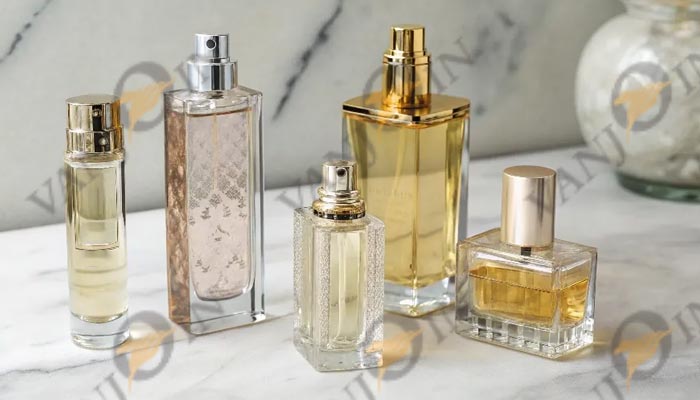
For example, offering a 30ml travel-size bottle alongside a 100ml full-size version lets you reach different users and occasions. The small one appeals to new buyers or frequent travelers, while the large one attracts loyal customers who wear the scent daily. When both bottles share the same shape, material, and design language, they build stronger brand recognition and visual consistency across all product lines.
This is where thoughtful packaging makes a difference. A well-planned range of bottle sizes allows your brand to tell one cohesive story — elegant, practical, and adaptable. With customizable glass bottles available in 2ml to 200ml options, brands can maintain consistent aesthetics while tailoring functionality to each purpose — from leak-resistant mini sprayers to UV-protected large bottles for long-term freshness.
Sustainability and Refills – A Modern Trend
Today’s perfume buyers care about more than just fragrance — they care about sustainability. One of the most popular trends in the industry is the refillable system, where brands pair a large refill bottle with small travel bottles. This setup gives users convenience and flexibility while reducing overall waste.
Brands are also moving away from excessive plastic packaging and exploring eco-friendly materials, such as recyclable glass, aluminum caps, and biodegradable coatings. These sustainable touches not only align with global green goals but also strengthen a brand’s premium image.
Modern consumers value packaging that feels responsible and long-lasting. Offering refillable perfume bottles or travel-size companions can boost customer loyalty while cutting packaging waste — a win for both the planet and the brand.
Final Thoughts
There’s no universal answer to whether a small or big perfume bottle is better — it all depends on how you use it, where you take it, and what impression you want to create. For consumers, bottle size reflects lifestyle and personality; for brands, it’s a strategic choice that influences sales, sustainability, and brand image.
By offering a range of bottle sizes — from portable minis to statement-sized luxury bottles — fragrance brands can connect with more types of customers while keeping their packaging consistent and recognizable. Thoughtful bottle design, material selection, and functional details like sealing or UV protection all help enhance the perfume experience.
At Vanjoin, we help brands bring these ideas to life through custom glass perfume bottles from 2ml to 200ml, combining aesthetic harmony with practical performance for every fragrance line.
FAQ
Q1. What are the standard perfume bottle sizes?
Most perfumes come in a few common sizes — 30ml, 50ml, and 100ml. Some brands also offer 10–15ml mini bottles for samples or travel, and 150–200ml bottles for collectors or refills. These standards make it easier for consumers to compare prices and choose based on their needs.
Q2. Why are some perfumes only available in small bottles?
Smaller bottles are often used for exclusive, niche, or seasonal fragrances. Limited editions are typically released in small volumes to keep them rare and collectible. They’re also practical for trial sizes, allowing consumers to test a scent before buying a full-size bottle.
Q3. Is a bigger perfume bottle more cost-effective?
Yes — generally, larger bottles have a lower cost per milliliter. If you wear the same fragrance often, a 100ml bottle gives you better value. However, keep in mind that perfume can lose its freshness over time, so buying too large may not always be ideal.
Q4. What is the best perfume bottle size for gifting?
The most popular sizes for gifts are 30ml to 50ml. They look elegant, last a reasonable amount of time, and let the receiver enjoy the scent without a long-term commitment. Mini perfume sets also make thoughtful and luxurious gifts.
Q5. What is the 30 50 20 rule for perfume?
The “30-50-20” rule is a simple guideline for applying perfume: 30% on skin, 50% on clothes, and 20% in the air (a light mist you walk through). It helps balance scent strength and projection for a lasting, pleasant fragrance trail.
Q6. What size perfume bottle to get?
If you’re new to a fragrance, start small — 30ml is ideal for testing or casual wear. For everyday use, 50ml is the perfect middle ground. If you have a go-to scent you wear often, go for 100ml or more to save money and reduce packaging waste.
Q7. What is a good size for a perfume bottle?
A 50ml bottle is widely considered the best all-round choice. It offers a balance of price, longevity, and portability, making it suitable for both personal use and gifting.
Vanjoin © All Rights Reserved.