

A reed diffuser offers a gentle way to enhance indoor air with fragrance. The reed diffuser stick absorbs scented oil from the reed diffuser bottle, while the reed diffuser lid helps prevent spills. Some people enjoy the decorative touch of a reed diffuser flower, which may also support a calming atmosphere.

Key Takeaways
* REED DIFFUSERs provide a simple way tofreshen indoor air without electricity. They continuously release fragrance, creating a welcoming atmosphere.
* Using high-quality Essential Oils in reed diffusers can enhance relaxation and improve mood. Scents like lavender and citrus may help reduce stress.
* Always check for allergens and choose safe ingredients. Proper placement away from children and pets is crucial to prevent accidents.
Reed Diffuser Key Benefits
Air Freshening
A reed diffuser provides a continuous way to freshen indoor air. The reeds draw scented oil from the bottle and release fragrance into the room. This process helps mask unpleasant odors and creates a welcoming environment. Many people choose reed diffusers for living rooms, bathrooms, and offices because they deliver a subtle and pleasant scent without overwhelming the senses.
Easy to Use
Setting up a reed diffuser requires minimal effort. Users only need to insert the reeds into the bottle and allow them to absorb the oil. There are no buttons, timers, or complicated instructions. Maintenance involves flipping the reeds every few days to refresh the scent. This simplicity appeals to individuals who want a hassle-free method to enhance their space.
Tip: For a stronger fragrance, increase the number of reeds in the bottle.
No Electricity Needed
A reed diffuser operates without electricity or batteries. This feature makes it suitable for any location, including areas without power outlets. People can place reed diffusers in hallways, closets, or bathrooms without worrying about cords or fire hazards. The absence of heat sources also reduces the risk of accidents.
Consistent Fragrance
Unlike sprays or candles, a reed diffuser delivers a steady fragrance over several weeks. The scent disperses gradually, maintaining a consistent level in the room. Users do not need to remember to turn anything on or off. The fragrance remains present as long as there is oil in the bottle and the reeds stay saturated.
Wellness Effects
Certain fragrances in reed diffusers can support relaxation and improve mood. Research shows that some scents, such as lavender and citrus, stimulate neurotransmitters in the brain. These molecules interact with the limbic system, which controls emotions and physiological responses. Some studies indicate that specific fragrances can reduce cortisol levels by up to 40%, helping to lower stress.
| Evidence Type | Description |
| Cortisol Reduction | Some fragrances can reduce cortisol levels by up to 40%. |
| Brain Chemistry | Fragrance molecules affect tde limbic system, leading to physiological reactions. |
| Neurotransmitter Stimulation | Scents like lavender and citrus can enhance relaxation and mood by stimulating neurotransmitters. |
A reed diffuser with high-quality essential oils may contribute to a calming atmosphere and support overall well-being.

Reed Diffuser Potential Drawbacks
Allergies and Sensitivities
Some individuals experience allergic reactions or sensitivities when exposed to certain fragrance oils. Dermatological studies have identified several common allergens found in reed diffuser oils. These substances can cause skin irritation, headaches, or respiratory discomfort, especially in sensitive individuals.
Common Allergens: Tea Tree Oil / Ylang-Ylang Oil / Lemongrass Oil / Sandalwood Oil / Clove Oil / Jasmine Absolute Oil / Narcissus Absolute Oil
People with a history of allergies or asthma should exercise caution. Symptoms may include sneezing, watery eyes, or skin rashes. A patch test or consultation with a healthcare provider can help determine individual risk.
Quality of Ingredients
The quality of ingredients in a reed diffuser plays a crucial role in its safety and effectiveness. Some products use synthetic fragrances or low-grade carrier oils, which may emit volatile organic compounds (VOCs). These compounds can contribute to indoor air pollution and may trigger headaches or respiratory issues. High-quality diffusers use pure essential oils and non-toxic carriers, reducing the risk of adverse effects. Consumers should read labels carefully and choose reputable brands to ensure safer use.
Note: Products labeled as "natural" or "organic" do not always guarantee purity. Third-party certifications and transparent ingredient lists provide better assurance of quality.
Limited Scent Control
A reed diffuser offers limited options for adjusting fragrance intensity. Unlike electric or ultrasonic diffusers, users cannot easily control how strong the scent becomes. The following points highlight the main limitations:
* Reed diffusers lack the ability to adjust fragrance intensity easily, unlike electric diffusers.
* Reed diffusers lack the ability to adjust fragrance intensity easily, unlike electric diffusers.
Room temperature, airflow, and the number of reeds influence scent strength. In small spaces, the aroma may become overwhelming. In larger rooms, the fragrance may seem faint or dissipate quickly. Users seeking precise scent control may find reed diffusers less suitable.
Safety Around Kids and Pets
Safety concerns arise when reed diffusers are placed in homes with children or pets. The oils inside the bottle can be toxic if ingested. Curious pets or young children may knock over the bottle, leading to spills or accidental exposure. Some essential oils, such as tea tree or clove, pose particular risks to animals. Proper placement—out of reach and away from high-traffic areas—reduces these hazards. Supervision and secure positioning help prevent accidents.
Tip: Always store refill bottles and extra oils in locked cabinets to keep them away from children and pets.
Reed Diffuser Safety Considerations
Choosing Safe Ingredients
Selecting safe ingredients remains essential for anyone considering a Reed Diffuser. Many reputable brands follow international safety standards to ensure their products do not pose health risks. The International Fragrance Association (IFRA) sets guidelines for ingredient safety. IFRA 49, under Category 10A, outlines stricter usage rules for reed diffuser oils. Consumers should look for products that display compliance with these certifications. The following table summarizes the relevant safety standard:
IFRA 49: Includes safety certifications and standards for reed diffuser ingredients under Category 10A with stricter usage guidelines.
Reading ingredient lists and checking for third-party certifications helps buyers avoid harmful chemicals. High-quality essential oils and non-toxic carriers reduce the risk of allergic reactions and indoor air pollution.
Proper Placement
Proper placement of a reed diffuser increases safety and effectiveness. Individuals should position diffusers on stable surfaces away from direct sunlight and heat sources. Placing the bottle out of reach of children and pets prevents accidental spills or ingestion. Entryways, shelves, and countertops often provide safe locations. Avoid placing diffusers near food preparation areas or open windows, as airflow can affect scent distribution and safety.
Tip: Place the diffuser in a low-traffic area to minimize the chance of it being knocked over.
Handling Spills
Spills can occur if the bottle tips over or oil leaks from the reeds. Immediate action reduces the risk of stains and exposure. Use paper towels or disposable cloths to absorb spilled oil. Clean the area with mild soap and water. Dispose of cleaning materials safely, especially if the oil contains strong essential oils. Individuals should wash their hands thoroughly after handling spills to prevent skin irritation.
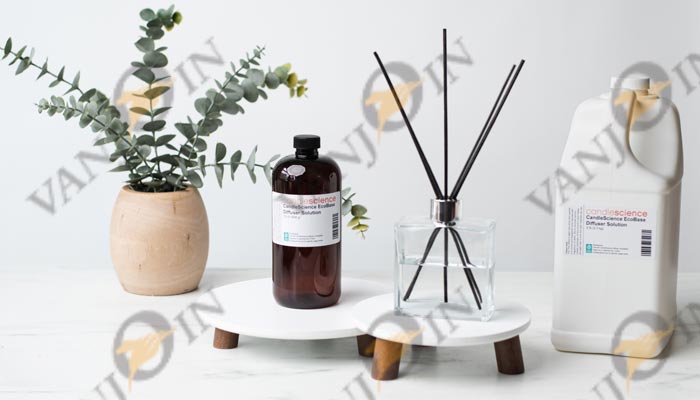
Reed Diffuser vs. Other Diffusers
Reed Diffuser vs. Electric Diffuser
A Reed Diffuser offers a passive method for scenting a room. Electric diffusers use power to disperse fragrance, often with adjustable settings. Many users prefer reed diffusers for their simplicity and lack of required maintenance. Electric diffusers appeal to those who want stronger, customizable aromas. The following table highlights key differences:
| Feature | Reed Diffusers | Electric Diffusers |
| Fragrance Longevity | Continuous, subtle scent | More concentrated and longer-lasting aroma |
| Control Over Intensity | Less control, better for smaller spaces | Greater control over scent intensity |
| User Satisfaction | Preference for subtlety | Preference for potency |
People who value subtle, background fragrance often choose reed diffusers. Those who want to adjust scent strength or fill larger spaces may select electric models.
Reed Diffuser vs. Candle Diffuser
Candle diffusers use heat to release fragrance, creating ambiance with both scent and light. Reed diffusers do not require flames, making them safer for homes with children or pets. Candle diffusers need supervision and regular replacement. Reed diffusers provide a steady aroma without the risk of open flames. Many users appreciate the low-maintenance nature of reed diffusers compared to the ritual of lighting candles.
Reed Diffuser vs. Ultrasonic Diffuser
Ultrasonic diffusers use water and ultrasonic waves to disperse essential oils as a fine mist. These devices can humidify the air and offer customizable scent intensity. Reed diffusers work without water or electricity, making them suitable for areas without outlets. Ultrasonic diffusers require cleaning and regular refilling. Reed diffusers deliver fragrance with minimal upkeep, appealing to those who prefer a set-and-forget approach.
Who Should Use a Reed Diffuser?
Best for Certain Spaces
Interior design experts recommend placing a Reed Diffuser in rooms where a steady fragrance is desired without the need for flames or electricity. Bedrooms and living rooms often benefit most, as these areas promote relaxation and wellness. Spaces designed for social gatherings, such as dining rooms or lounges, also gain from the subtle aroma that a reed diffuser provides. The consistent scent helps create a welcoming atmosphere, making guests feel comfortable and at ease.
Not Ideal for People with Allergies or Respiratory Issues
Individuals with allergies or respiratory conditions may experience discomfort when exposed to reed diffusers.
* Reed diffusers can release volatile organic compounds (VOCs) that irritate the respiratory tract.
* Long-term exposure to these compounds may worsen symptoms in people with allergies or respiratory diseases.
* Poor ventilation increases the risk of harmful aroma components accumulating, which can negatively affect air quality.
People with sensitivities should consider alternative air freshening methods or consult a healthcare professional before using a reed diffuser.

Tips for First-Time Users
Experts suggest several strategies to maximize safety and effectiveness for those new to reed diffusers:
* Proper Size Selection: Select a diffuser that matches the room size for optimal scent distribution.
* Quality Oil Selection: Choose non-synthetic oils to reduce irritants and improve safety.
* Strategic Placement: Position the diffuser away from beds and electronics to prevent moisture damage.
* Timing Controls: Use the diffuser for about 30 minutes before sleep and consider models with timers for automatic shut-off.
Tip: Always read product instructions and monitor the scent level to maintain a comfortable environment.
A Reed Diffuser can enhance indoor air and relaxation when used responsibly. Many individuals avoid them due to concerns about pet toxicity, harmful chemicals like formaldehyde, and environmental impact from non-renewable oils. Selecting natural ingredients and safe placement helps minimize risks in the home.
FAQ
How long does a reed diffuser typically last?
Most reed diffusers provide fragrance for four to eight weeks. Oil quality, room temperature, and the number of reeds influence longevity.
Can reed diffusers help reduce stress?
Certain essential oils, such as lavender or chamomile, may promote relaxation. Many users report a calming effect when using these scents in reed diffusers.
Are reed diffusers safe for pets?
Some essential oils, including tea tree and clove, can harm pets. Pet owners should select pet-safe oils and place diffusers out of reach.
Vanjoin © All Rights Reserved.